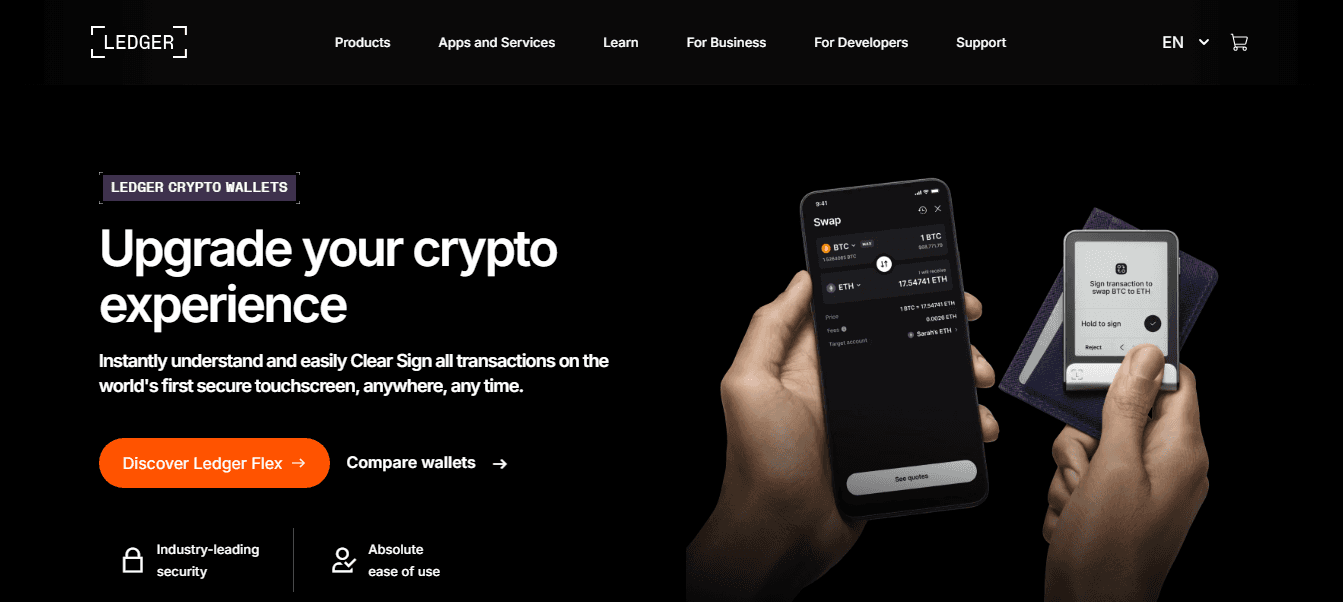
Ledger Login: A Complete Guide to Accessing and Securing Your Cryptocurrency
Ledger hardware wallets are among the most trusted solutions for cryptocurrency storage. However, accessing and managing these wallets requires a proper Ledger login process. Ledger login allows users to securely connect to their hardware wallet, view balances, monitor transactions, and send or receive cryptocurrency, all while keeping private keys offline.
This guide provides a comprehensive look at Ledger login, including setup, login procedures, security measures, troubleshooting, and best practices to ensure your digital assets remain safe.
What Is Ledger Login?
Ledger login is the process of securely accessing a Ledger hardware wallet, usually through the Ledger Live software application. This login system ensures that only authorized users can interact with their cryptocurrency accounts. It combines hardware-based security with software interfaces to provide safe, transparent access to your assets.
Unlike web wallets or exchanges, Ledger login does not expose private keys to your computer or the internet. All sensitive actions, including transaction signing, happen directly on the hardware wallet. This approach minimizes the risk of theft from malware, phishing, or hacking attempts.
Why Ledger Login Is Important
Ledger login is critical for several reasons:
Security: Ensures that only the wallet owner can access cryptocurrency accounts.
Access Control: Requires authentication through a PIN and recovery seed to prevent unauthorized access.
Transaction Verification: Every transaction must be confirmed on the hardware device, ensuring safe transfers.
Portfolio Management: Provides access to account balances, transaction history, and multiple cryptocurrency accounts.
Without secure login procedures, cryptocurrency management becomes vulnerable to attacks, theft, or accidental loss.
Components of Ledger Login
1. Ledger Hardware Wallet
The hardware wallet is the cornerstone of Ledger login. It stores private keys offline and ensures that all critical operations, like transaction signing, happen securely on the device. Each wallet comes with a unique PIN and recovery seed required for login.
2. Ledger Live Application
Ledger Live is the official software interface for managing cryptocurrency accounts on a Ledger device. It allows users to:
Access multiple accounts
Track balances and portfolio value
Monitor transaction history
Send and receive funds securely
Ledger Live does not store private keys, ensuring that login remains secure even on devices that may be compromised.
3. PIN Code
The PIN is an essential security feature for Ledger login. Users enter the PIN directly on the hardware wallet to unlock it. This prevents unauthorized individuals from accessing your accounts even if the device is lost or stolen.
4. Recovery Seed
The recovery seed is a series of 24 words generated when the wallet is initialized. It serves as a backup for account recovery in case the device is lost, damaged, or reset. The recovery seed is essential for performing a Ledger login on a new device.
How to Perform Ledger Login
Step 1: Install Ledger Live
Download and install Ledger Live on a trusted desktop or mobile device. This software is the interface for logging into and managing your Ledger wallet.
Step 2: Connect Your Ledger Device
Use the official USB cable to connect your Ledger wallet to your computer or mobile device. Ledger Live will detect the hardware wallet and prompt you to proceed with login.
Step 3: Enter the PIN
Enter your PIN directly on the Ledger device. This step verifies your identity and unlocks access to your accounts. Multiple incorrect PIN entries will temporarily lock the device to protect it from unauthorized access.
Step 4: Access Accounts Through Ledger Live
After PIN verification, open Ledger Live. You can now access your cryptocurrency accounts, view balances, monitor transaction histories, and manage your portfolio. Ledger login enables full account management without exposing private keys.
Step 5: Verify and Approve Transactions
When sending cryptocurrency, Ledger login ensures that every transaction must be approved on the hardware wallet. Users confirm the recipient address and transaction amount directly on the device, providing a secure layer against malware and phishing attempts.
Security Features of Ledger Login
Ledger login incorporates multiple security measures:
Offline Private Keys: Keys remain on the hardware wallet and never leave it.
PIN Authentication: Required to unlock the device and authorize transactions.
Recovery Seed Backup: Enables account recovery in case of device loss or failure.
Transaction Confirmation: Every transaction must be verified on the hardware wallet.
Device Authentication: Ledger Live confirms the authenticity of the connected device.
These measures ensure that Ledger login provides a secure and reliable environment for managing cryptocurrency.
Troubleshooting Ledger Login Issues
Incorrect PIN Entry: Multiple wrong attempts will temporarily lock the device. Wait for the lockout period or reset if necessary.
Ledger Live Not Detecting Device: Check USB cables, ports, and device power. Ensure the hardware wallet is connected properly.
Outdated Firmware: Login may fail if the firmware is not updated. Use Ledger Live to update the device.
Lost Recovery Seed: Without the recovery seed, restoring accounts on a new device is impossible. Store the seed safely offline.
Software Glitches: Restart Ledger Live and reconnect the device if login issues persist.
Carefully addressing these issues ensures uninterrupted access to cryptocurrency accounts.
Best Practices for Ledger Login
Protect PIN and Recovery Seed: Never share or store them digitally.
Use Official Ledger Live Software Only: Avoid third-party applications that may compromise security.
Keep Firmware Updated: Updates fix vulnerabilities and maintain device functionality.
Verify Transactions on the Device: Always confirm addresses and amounts before approving.
Maintain a Secure Environment: Only access Ledger Live on devices free of malware or unauthorized access.
Following these practices helps ensure that Ledger login is secure and reliable.
Advantages of Ledger Login
Ledger login provides multiple benefits:
High Security: Combines hardware-based protection with software interface controls.
Full Control: Users maintain complete control over cryptocurrency accounts and transactions.
Transparency: Login enables a clear view of balances, transaction history, and portfolio performance.
Multi-Currency Support: Manage multiple cryptocurrencies and accounts efficiently.
User-Friendly Interface: Ledger Live simplifies login and account management for both beginners and advanced users.
These advantages make Ledger login a vital tool for cryptocurrency security and management.
Common Use Cases
Ledger login is essential in several scenarios:
Asset Management: Monitor and manage multiple cryptocurrency accounts securely.
Sending and Receiving Funds: Log in to initiate and approve transactions safely.
Portfolio Tracking: View detailed information on balances, transaction histories, and overall holdings.
Device Recovery: Restore wallet access on a new device using the recovery seed.
These use cases illustrate the importance of Ledger login for effective and secure cryptocurrency management.
Conclusion
Ledger login is a critical step for accessing and managing cryptocurrency securely through Ledger hardware wallets. By combining the offline security of the hardware wallet with the convenience of Ledger Live, users can safely manage accounts, view balances, send and receive funds, and monitor portfolios without exposing private keys.
Following best practices, including securing your PIN and recovery seed, updating firmware regularly, and verifying all transactions on the device, ensures that Ledger login remains secure and reliable.
Whether you are new to cryptocurrency or an experienced investor, Ledger login provides a safe, organized, and user-friendly way to access your digital assets. It is an essential tool for anyone seeking full control and self-custody of their cryptocurrency holdings.